The Magic Behind Homemade Whipped Cream: From Liquid to Cloud
There’s a certain alchemy that transforms a simple carton of heavy cream into a cloud-like confection, capable of elevating any dessert from ordinary to extraordinary. For many home cooks, myself included, the journey to crafting the ultimate whipped cream often begins with a few missteps. I remember my own early attempts – hopeful, armed with a whisk, only to be met with a watery, disheartening mess that seemed to mock my culinary aspirations. It felt like a secret art, reserved for pastry chefs with mystical talents.
But the truth is, creating consistently perfect, airy, and luscious whipped cream isn't about magic; it's about understanding a few fundamental principles and leveraging the star ingredient: heavy cream. This guide aims to demystify the process, turning you into a whipped cream wizard capable of producing delightful results every single time. We’ll delve into the science, the essential ingredients, and the techniques that lead to that melt-in-your-mouth texture, ensuring your whipped cream is always a triumph. For those looking to master every detail, you might find more insights in Mastering Whipped Cream: Achieve Fluffy Perfection Every Time.
What Makes Whipped Cream Fluffy? The Science of Aeration
At its core, whipped cream is a dairy product that has undergone a remarkable physical transformation through aeration. This process involves incorporating countless tiny air bubbles into the cream, causing it to thicken, expand, and adopt that characteristic light, fluffy texture we adore. But why does cream behave this way, and other liquids don't? The answer lies in its unique composition, specifically its fat content.
When you beat or whisk cream, you're not just stirring it; you're agitating the fat molecules within. These fat globules, suspended in the liquid, begin to collide and, crucially, start to fuse together. As they do, they form a robust network that effectively traps the air you're introducing. This fat-based scaffolding is what gives whipped cream its structure and stability. The more you whip, the more air is trapped, and the thicker and firmer the cream becomes, progressing from soft peaks (where it just holds its shape) to stiff peaks (where it stands firm). Understanding this process is key to preventing a watery disaster and achieving Demystifying Whipped Cream: From Watery Mess to Dessert Magic.
Heavy Cream: The Unsung Hero of Fluffiness
If you want to achieve the ultimate whipped cream, selecting the right type of cream is non-negotiable, and that means reaching for heavy cream or heavy whipping cream. The magic, as alluded to, lies in its fat content. Heavy cream typically boasts a milk fat content of between 30% and 40%. In many regions, heavy whipping cream is specifically regulated to have 36% milk fat or higher, making it the premier choice for stability and volume.
This higher fat percentage is absolutely critical because it provides the structural components necessary to form that strong, air-trapping network. Lower fat creams, such as light cream, half-and-half, or skim milk, simply lack sufficient fat to build this robust structure. Without enough fat, any air you incorporate quickly escapes, leaving you with a watery, unstable product that refuses to hold its shape. Think of it like trying to build a house with insufficient bricks – it just won't stand! Therefore, when you see a recipe calling for whipped cream, interpret "cream" as "heavy cream" for truly stellar results.
The fat globules in heavy cream are specifically designed by nature to coalesce when agitated and cold, creating a strong emulsion. This is why chilling your cream and equipment (more on that later) is so vital – cold fat molecules are firmer and less likely to melt, allowing them to bind more effectively and trap air bubbles with greater stability. Opting for a higher fat content, like 36% or even 40% if available, will give you not only a more stable whipped cream but also a richer, more luxurious mouthfeel, distinguishing it from any store-bought alternative.
Beyond the Basics: Essential Tips for the Ultimate Whipped Cream
While heavy cream is the undeniable foundation, a few other elements and techniques can elevate your whipped cream from good to truly exceptional.
The Essential Supporting Ingredients
- Powdered Sugar (Confectioners' Sugar): While granulated sugar works, powdered sugar is often preferred for several reasons. Its fine texture dissolves instantly, preventing a gritty mouthfeel. More importantly, powdered sugar typically contains a small amount of cornstarch, which acts as a natural stabilizer. This microscopic bodyguard helps prevent the cream from weeping (separating) and gives it a bit more structure, making it ideal for piping or holding its shape for longer periods. Start with 1-2 tablespoons per cup of heavy cream, adjusting to taste.
- Vanilla Extract: A splash of pure vanilla extract (about 1 teaspoon per cup of cream) adds a classic, warm aroma and flavor that complements almost any dessert. Ensure you use pure vanilla for the best taste.
- Other Flavorings: Don't limit yourself to vanilla! Consider almond extract, peppermint extract, a touch of citrus zest (lemon, orange), cocoa powder for chocolate whipped cream, or even a tablespoon of your favorite liqueur (like Kahlua, Grand Marnier, or rum) for an adult twist. Add these flavorings towards the end of the whipping process.
The Right Tools for the Job
The equipment you use can significantly impact your success:
- Stand Mixer with Whisk Attachment: This is the easiest and most hands-off method. The power and consistent motion make whipping a breeze, allowing you to achieve perfect peaks quickly.
- Electric Hand Mixer: A versatile and effective option for most home kitchens. It requires a bit more active participation but still gets the job done efficiently.
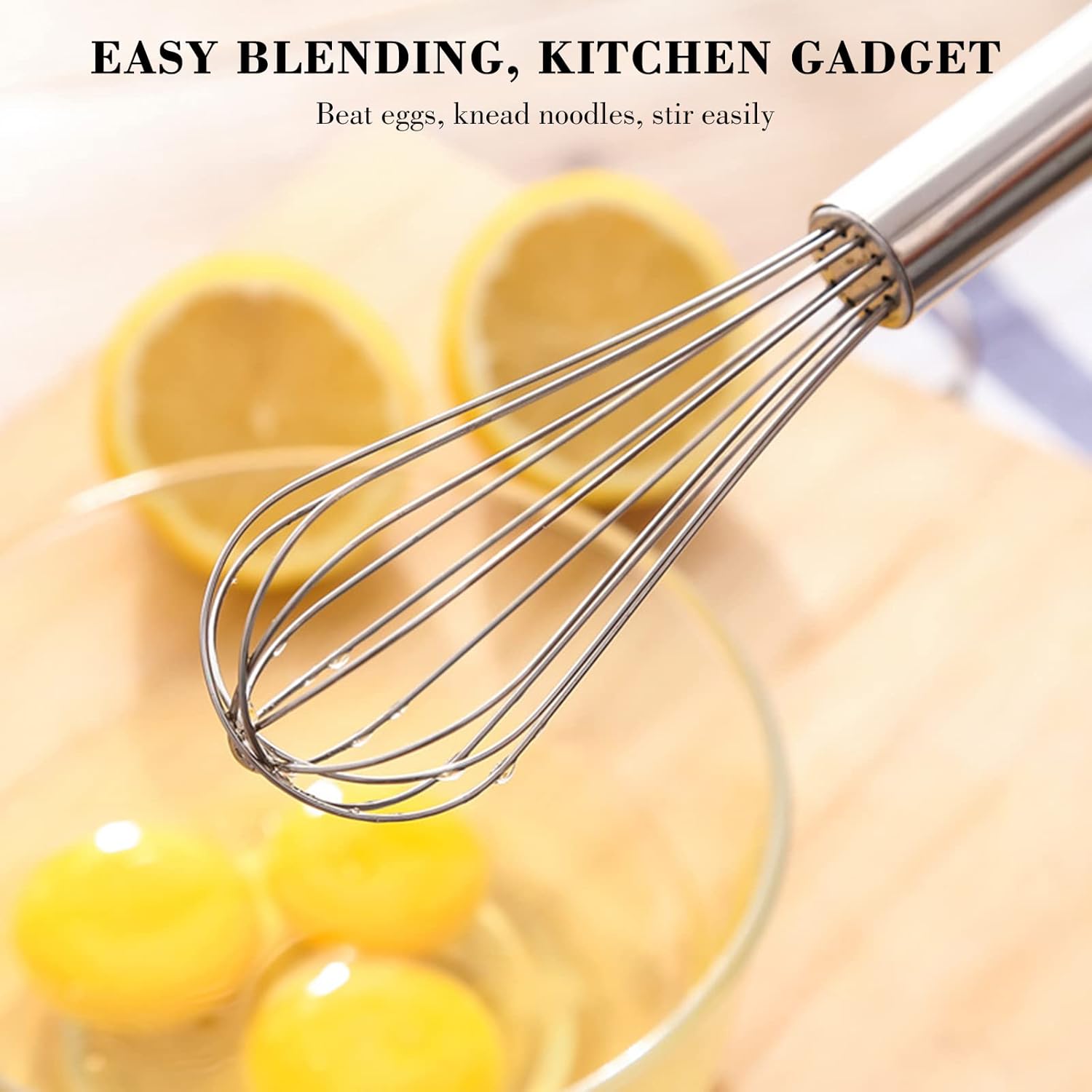
- Balloon Whisk and Bowl: For a true arm workout! While perfectly achievable, manual whipping takes significantly more effort and time. It's best for smaller batches or when you want precise control and don't mind the exertion.
Pro Tip: Chill Everything! This is perhaps the most crucial tip for stable whipped cream. Cold cream whips up faster and holds its structure better. Place your mixing bowl (preferably metal or glass) and whisk attachment (or balloon whisk) in the freezer for 10-15 minutes before you start. The cold temperature helps keep the fat globules firm, encouraging them to coalesce and trap air more efficiently without the risk of melting or over-softening.
Mastering the Technique
- Start Cold: Pour your chilled heavy cream into your chilled bowl.
- Add Sweetener and Flavoring: Sprinkle in your powdered sugar and vanilla (or other flavorings).
- Start Slow, Then Increase Speed: Begin whipping on low speed to avoid splattering, then gradually increase to medium-high or high.
- Watch for Stages:
- Soft Peaks: The cream will thicken and hold a soft shape, flopping over when the whisk is lifted. This is perfect for dolloping onto hot chocolate or fruit.
- Medium Peaks: The cream will hold its shape more firmly but still have a slight curl at the tip. Ideal for spreading on cakes or pies.
- Stiff Peaks: The cream will stand straight up and hold its form rigidly when the whisk is lifted. Be careful not to over-whip beyond this stage.
- Avoid Over-Whipping: This is a common pitfall. Beyond stiff peaks, the fat and liquid will start to separate, leading to a grainy, curdled texture that eventually turns into butter. Stop just as the cream reaches your desired consistency – it happens quickly at the end!
Storage and Make-Ahead Tips
Freshly whipped cream is always best enjoyed immediately. However, if you need to prepare it in advance, or have leftovers, store it in an airtight container in the refrigerator for up to 2-3 days. The cornstarch in powdered sugar helps stabilize it, but it may lose some volume over time. A quick, gentle whisk by hand for a few seconds can sometimes revive it.
Whip Up Perfection: Your Journey to Dessert Excellence
Armed with the knowledge of heavy cream's vital role, the right tools, and a few simple techniques, you are now ready to conquer the art of homemade whipped cream. No longer a mystery, but a simple science of aeration and fat, the ultimate whipped cream is within your reach. From crowning a humble bowl of berries to adorning a grand layer cake, this light, airy, and flavorful topping will elevate your desserts to new heights.
So, stop settling for the canned stuff. Invest a few minutes, follow these guidelines, and experience the unparalleled joy and freshness of homemade whipped cream. Your taste buds, and your guests, will thank you for it.
