Mastering Whipped Cream: Achieve Fluffy Perfection Every Time
There's an undeniable allure to perfectly whipped cream. It's more than just a topping; it's a cloud-like confection that elevates simple desserts into extraordinary experiences. Perhaps you, like many home bakers, have attempted to craft this ethereal delight, only to be met with a watery, disappointing mess. It's a common initial hurdle, leading many to believe that achieving that ideal airy texture is a secret reserved for professional pastry chefs. But the truth is, creating demystifying whipped cream: from watery mess to dessert magic and truly spectacular homemade whipped cream isn't about innate talent; it's about understanding a few fundamental principles and mastering some simple techniques. This guide will demystify the process, turning you into a whipped cream virtuoso, capable of producing consistently delicious, melt-in-your-mouth results every single time. Prepare to discover the secrets to crafting the ultimate whipped cream for any occasion.
What is Whipped Cream? Unpacking This Culinary Staple
At its core, whipped cream is a dairy product that undergoes a magical transformation through aeration. By beating or whisking cream, you incorporate countless tiny air bubbles into its structure. This process causes the cream to thicken, expand, and develop that signature light and fluffy texture we all adore. It’s a fundamental component in an extensive array of desserts, providing a delicate counterpoint to rich flavors, a luxurious topping for beverages, or an exquisite filling for pastries.
The secret to this transformation lies predominantly in the cream's fat content. Heavy cream, also known as heavy whipping cream, is the undisputed champion for this task, typically boasting a milk fat content between 36% and 40%. This higher fat percentage is crucial because the fat molecules are responsible for forming a stable network that traps the introduced air bubbles. Without sufficient fat, the air simply cannot be held effectively, resulting in the dreaded soupy outcome. Lower fat alternatives like half-and-half or milk just don't possess the necessary fat architecture to achieve true whipped cream.
The act of whipping is a fascinating physical process. As you agitate the cold cream, the fat globules within it begin to collide and, crucially, partially fuse together. This creates an intricate three-dimensional network. The more you whip, the more robust this network becomes, trapping more and more air. This structural development leads to the cream thickening, evolving from a liquid state to forming soft peaks, and eventually, if you continue, to stiff, pipeable peaks. Understanding this science is the first step towards achieving the ultimate whipped cream: heavy cream's role in fluffiness.
The Essential Ingredients for The Ultimate Whipped Cream
While the list of ingredients for homemade whipped cream is refreshingly short, the quality and type of each component are paramount. Here’s a breakdown of what you'll need to create exemplary whipped cream:
Heavy Whipping Cream: The Foundation of Fluffiness
- The Star: As discussed, heavy cream (or heavy whipping cream) is non-negotiable. Aim for a product with at least 36% milk fat. Higher fat content equals better stability and a richer mouthfeel.
- Temperature is Key: This is a critical, often overlooked detail. Your heavy cream must be thoroughly chilled before whipping. Cold cream whips up faster, incorporates more air, and maintains its structure better. Warm cream struggles to emulsify and often results in a thin, unstable product.
- Quality Matters: While most heavy creams will work, some connoisseurs prefer organic or locally sourced options for superior flavor. Be mindful that ultra-pasteurized cream might take slightly longer to whip due to the processing method, but it will still work perfectly well.
Powdered Sugar (Confectioners' Sugar): Sweetness & Stability
- Sweetness: Powdered sugar provides the desired level of sweetness, harmonizing beautifully with the rich cream.
- The Secret Weapon: Beyond its sweetening power, powdered sugar contains a tiny amount of cornstarch (typically 3-5%). This cornstarch acts as a microscopic stabilizer, helping to absorb excess moisture and prevent the whipped cream from weeping or deflating too quickly. It's your secret ingredient for more resilient, long-lasting fluffiness.
- Alternatives: While powdered sugar is ideal, finely granulated sugar can be used, but it may create a slightly coarser texture if not fully dissolved. Liquid sweeteners like maple syrup or honey can be added for flavor, but use sparingly as they introduce additional moisture, which can affect stability.
Vanilla Extract (or Other Flavorings): The Aromatic Touch
- Classic Flavor: A good quality pure vanilla extract is the traditional choice and perfectly complements the cream's richness. Add it towards the end of the whipping process to ensure its delicate aroma isn't lost.
- Flavor Variations: Don't limit yourself! A few drops of almond extract, a hint of citrus zest, a dash of cinnamon, or even a tablespoon of your favorite liqueur (like Kahlúa or Grand Marnier) can transform your whipped cream into a truly unique and sophisticated topping.
Beyond Ingredients: Equipment and Technique for Fluffy Perfection
Having the right ingredients is only half the battle; the tools and your approach to whipping are equally vital for achieving the ultimate whipped cream.
Essential Equipment for Optimal Results
- Chilled Bowl and Whisk/Beaters: This tip is a game-changer. Just like your cream, your mixing bowl and whisk attachments (for a stand or hand mixer) should be thoroughly chilled. Pop them in the freezer for 15-20 minutes before you begin. A cold environment helps the fat globules solidify faster, trapping air more efficiently and resulting in a much firmer, more stable whipped cream. Stainless steel or glass bowls are excellent choices as they retain cold temperatures well.
- Mixing Options:
- Stand Mixer: The easiest and most hands-off method. Use the whisk attachment and start on medium-low, gradually increasing to medium-high.
- Hand Mixer: A great portable option. Offers good control. Start slow to avoid splatters, then increase speed.
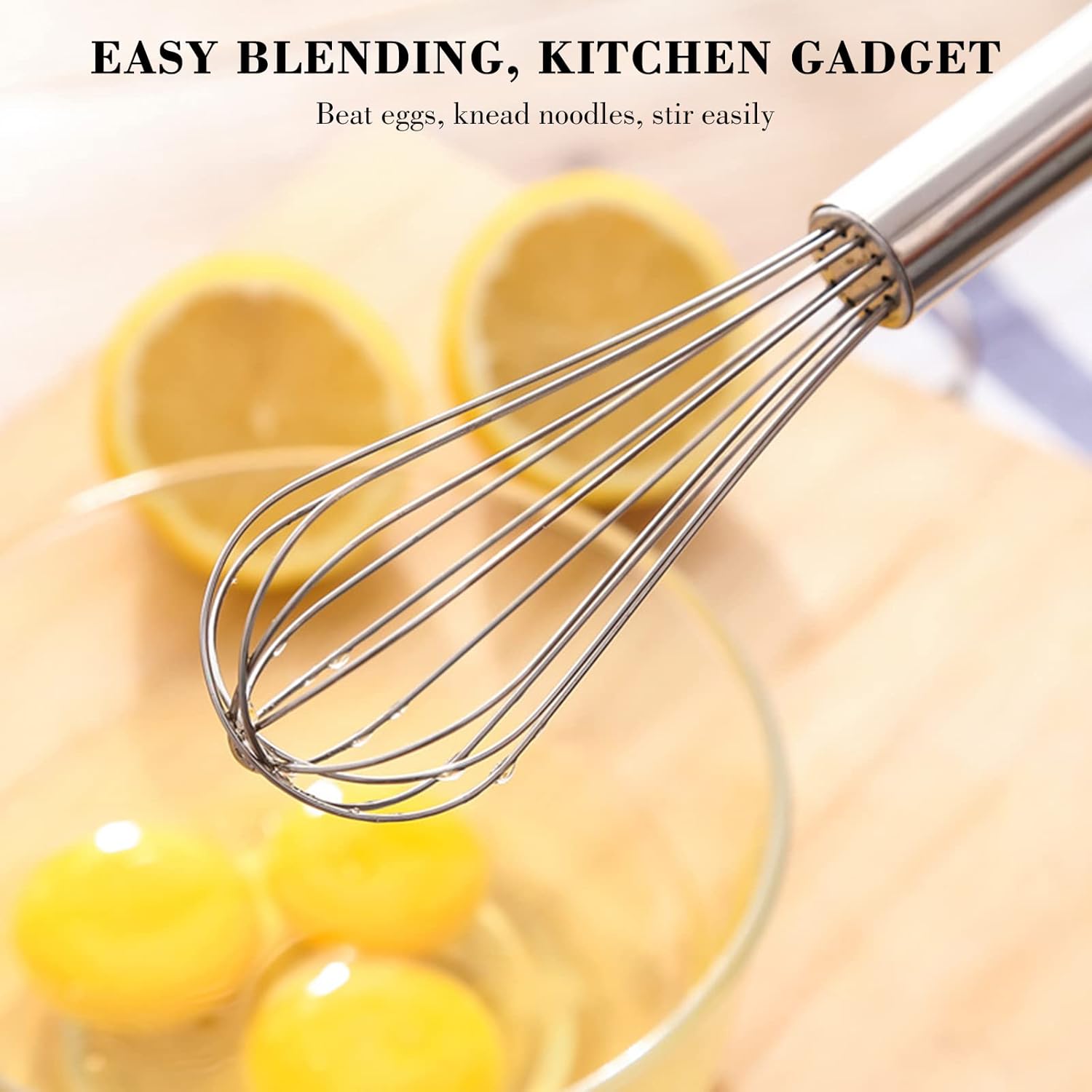
- Balloon Whisk (Manual): For the purists or those without electric mixers. It requires significant arm power and patience but can yield beautifully airy results. Be sure your bowl is stable on a damp towel.
The Whipping Process: A Delicate Dance
- Start Cold: Reiterate – ensure your cream, bowl, and whisk are all as cold as possible. This is arguably the most crucial step.
- Combine & Begin: Pour the cold heavy cream into your chilled bowl. If using a stand or hand mixer, start on a medium-low speed to prevent splashing.
- Gradually Increase Speed: After a minute or two, once the cream has started to foam slightly, increase the speed to medium-high.
- Add Sweetener & Flavorings: Once the cream begins to thicken and you see very soft trails from the whisk, gradually add your powdered sugar and vanilla extract (or other flavorings). Continue whipping.
- Watch for Peaks: This is where precision comes in:
- Soft Peaks: The cream will hold its shape when the whisk is lifted, but the tip will gently curl over. This is perfect for dolloping onto pies or fruit.
- Medium Peaks: The cream will hold a firmer shape, and the tips will hold upright but still be slightly relaxed. This is a versatile stage, great for piping or spreading.
- Stiff Peaks: The cream will be very firm, holding a sharp, upright point when the whisk is lifted. This is ideal for intricate piping or very stable fillings.
- The Danger Zone: The moment you hit stiff peaks, you are incredibly close to over-whipping. Continue whipping past this point, and the cream will begin to look grainy, then separate into butter and buttermilk. There's no turning back from this, so stop just as you reach your desired peak consistency. The goal is creamy perfection, not churned butter!
Troubleshooting and Tips for Success
- My Cream Won't Whip! The most common culprits are cream that isn't cold enough or simply doesn't have enough fat content (e.g., using light cream by mistake). Ensure all equipment is chilled.
- My Whipped Cream is Grainy/Broken! You've likely over-whipped it. Unfortunately, once it separates into butter and buttermilk, it's difficult to fully recover the smooth texture. Sometimes, you can gently stir in a tablespoon or two of fresh, cold cream to try and bring it back, but often starting over is best.
- Make-Ahead Tips: While best made fresh, whipped cream can be made a few hours in advance and stored in the refrigerator. For longer stability (up to 24-48 hours), you can add a small amount of stabilizer. A quarter teaspoon of cream of tartar per cup of heavy cream, or a small amount of unflavored gelatin bloom, can work wonders. The cornstarch in powdered sugar also offers some inherent stabilization.
- Serving Suggestions: The possibilities are endless! Dollop it on hot chocolate, top your favorite pies and fruit tarts, swirl it over fresh berries, use it as a filling for cakes and pastries, or simply enjoy a spoonful on its own.
From understanding the crucial role of fat content to chilling your equipment and mastering the art of the perfect peak, you now possess the knowledge to create the ultimate whipped cream. No longer a mystery, homemade whipped cream is within your grasp, ready to add a touch of cloud-like magic to all your culinary creations. So go forth, whisk with confidence, and enjoy the pure, fluffy perfection!
