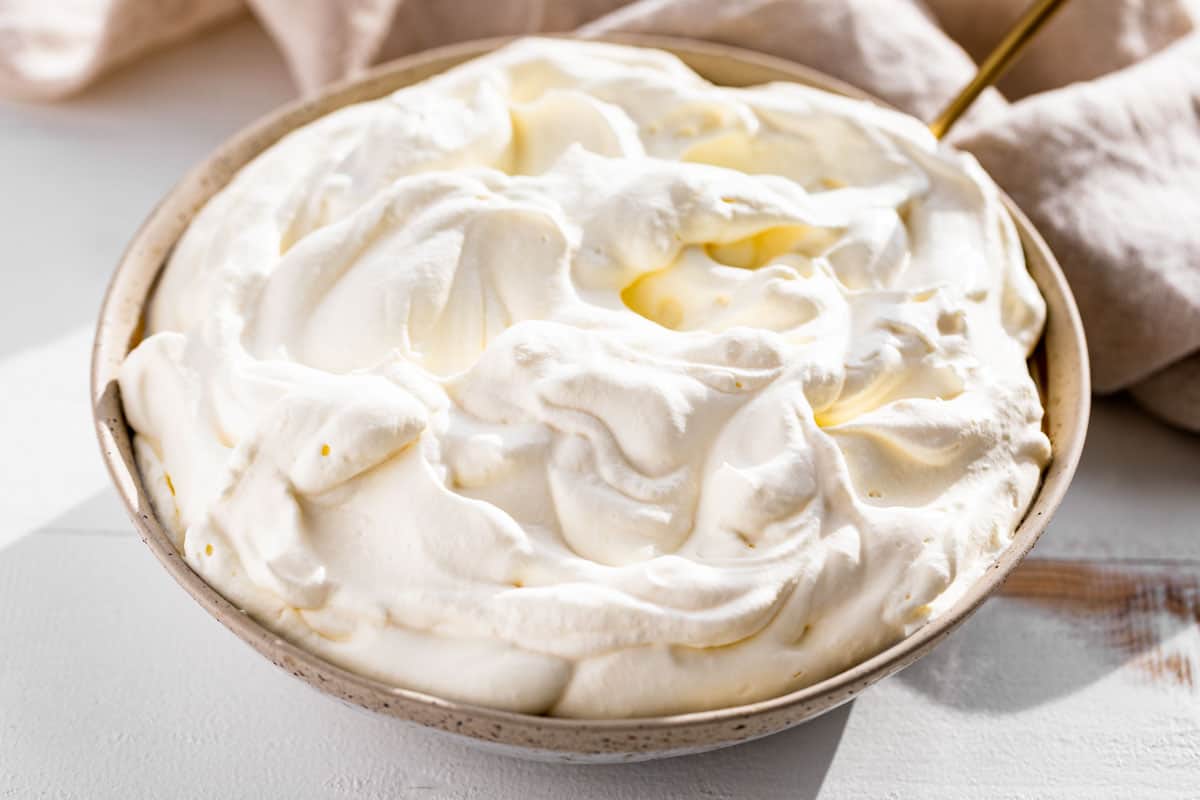
There’s something undeniably enchanting about a cloud of perfectly whipped cream. It's the crowning glory atop a warm slice of pie, the elegant swirl embellishing a coffee, or the delightful secret weapon in countless desserts. Yet, for many home cooks, the journey to this airy perfection often begins with a watery, disheartening mess. I, too, remember that frustrating first attempt, armed with good intentions but lacking the crucial understanding. It felt like a culinary secret, reserved for seasoned professionals. But the truth is, mastering the ultimate whipped cream isn't about magical talent; it's about understanding a few fundamental principles. This guide is your permission to stop settling for store-bought aerosols and to transform into a whipped cream wizard, capable of producing consistently delicious, cloud-like results every single time.
What Exactly IS Whipped Cream, Anyway? The Science of Fluff
At its core, whipped cream is a dairy product that has undergone a remarkable physical transformation through aeration. This process involves incorporating countless tiny air bubbles into the fat molecules of the cream, causing it to thicken, expand, and take on that characteristic light, fluffy texture. It's a foundational component in the culinary world, adding richness and a delightful mouthfeel to everything from simple hot chocolate to intricate layered pastries.
The true magic of whipped cream hinges on the fat content of the cream itself. This is why heavy cream, often labeled as heavy whipping cream, is the non-negotiable star. It typically boasts a milk fat content of between 30% and 40%, with many experts recommending 36% or higher for optimal results. This elevated fat content is absolutely crucial for creating a stable structure capable of trapping and holding those air bubbles. Lower fat alternatives, like half-and-half or milk, simply lack the necessary fat molecules to form the robust network required, leading to those all-too-familiar soupy disasters.
Think of the whipping process as a microscopic construction project. As you agitate the cold cream, the individual fat globules (which are usually suspended in the liquid) begin to collide. These collisions, combined with the mechanical force of whipping, cause the fat globule membranes to break, allowing the fat to partially coalesce. This creates a complex, interconnected network that effectively traps the air you're introducing. The longer you whip, the more robust this network becomes, leading the cream to thicken progressively, moving from a frothy liquid to soft peaks, and eventually to stiff, stand-up peaks. The cold temperature is key here; it keeps the fat in a more solid state, promoting faster network formation and greater stability.
Beyond the Basics: Crafting The Ultimate Whipped Cream with Essential Ingredients
Achieving truly exemplary whipped cream relies on a surprisingly short list of ingredients, making the quality of each component paramount.
The Foundation: Heavy Cream (or Heavy Whipping Cream)
As we've established, heavy cream is king. Look for products explicitly labeled "heavy cream" or "heavy whipping cream" and check the nutritional label for a fat content of at least 30%, ideally 36% or higher. Skip anything labeled "light whipping cream" as it simply won't yield the same luscious results. A critical, often overlooked tip: your cream must be very cold. Chilled cream whips faster and achieves a more stable, voluminous texture. Keep it in the coldest part of your refrigerator until you're ready to use it. To dive deeper into why this ingredient is so vital, read our related article: The Ultimate Whipped Cream: Heavy Cream's Role in Fluffiness.
Sweetness and Stability: Powdered Sugar
While granulated sugar can be used, powdered sugar (also known as confectioners' sugar or icing sugar) is the preferred choice for the ultimate whipped cream. Its ultra-fine texture dissolves instantly, preventing any grittiness. But powdered sugar offers a secret weapon beyond just sweetness: it contains a small amount of cornstarch. This seemingly insignificant addition acts as a microscopic bodyguard, helping to stabilize the whipped cream and prevent it from weeping or deflating too quickly. The amount of sugar is a matter of personal preference, but a good starting point is 1-2 tablespoons per cup of heavy cream.
The Flavor Enhancer: Vanilla Extract (and Beyond)
A touch of pure vanilla extract is the classic flavor enhancer for whipped cream, adding warmth and depth without overpowering the delicate creaminess. Always opt for pure vanilla extract over imitation for the best taste. However, don't stop there! The world of flavor is your oyster:
- Almond Extract: A beautiful complement to fruit tarts.
- Citrus Zest: Finely grated lemon, orange, or lime zest adds a bright, fresh note.
- Liqueurs: A splash of Grand Marnier, Kahlúa, or rum can elevate adult desserts.
- Cocoa Powder: Sifted in for a rich chocolate whipped cream.
- Spices: A pinch of cinnamon or nutmeg for seasonal treats.
Tools of the Trade: Equipping Yourself for Whipped Cream Success
While the ingredients are few, the right equipment can dramatically improve your whipping experience and results.
The Whipping Vessels: Cold Bowls Are Your Friends
The temperature principle extends beyond just the cream. Using a very cold bowl and whisk (or electric mixer beaters) is a game-changer. Stainless steel or glass bowls are ideal because they retain cold temperatures well. Pop your bowl and whisk/beaters into the freezer for 10-15 minutes before you begin. This simple step keeps the cream colder for longer, encouraging the fat globules to solidify faster and whip up more quickly and with greater stability.
The Power Players: Whisk vs. Electric Mixer
- Manual Whisk: Perfect for small batches or when you want a bit of a workout. It offers the most control, allowing you to stop precisely when soft or medium peaks are formed. A balloon whisk is best for incorporating air efficiently.
- Electric Hand Mixer: Faster and less strenuous than a manual whisk, an electric hand mixer is excellent for medium-sized batches. Its varying speeds give you good control.
- Stand Mixer: The easiest and most hands-free option, especially for larger quantities. Using the whisk attachment on a stand mixer can achieve perfect results in minutes. Just be mindful not to over-whip, as the power of a stand mixer can turn cream into butter very quickly!
Regardless of your tool of choice, the key is to be attentive. Over-whipping is the arch-nemesis of fluffy cream, quickly leading to a grainy texture and eventually, butter. To truly master the technique and avoid common pitfalls, our article Mastering Whipped Cream: Achieve Fluffy Perfection Every Time offers in-depth guidance.
The Art of Whipping: From Soft Peaks to Stiff Perfection
With your cold ingredients and chilled equipment ready, the actual whipping process is straightforward:
- Combine & Chill: Pour your very cold heavy cream into your chilled bowl. Add your powdered sugar and vanilla extract (or other flavorings).
- Start Slow, Then Accelerate: If using an electric mixer, start on a low speed to prevent splattering, then gradually increase to medium-high. If using a stand mixer, medium speed with the whisk attachment is often sufficient.
- Observe the Transformation: The cream will initially look frothy, then begin to thicken.
- Soft Peaks: Continue whipping until the cream holds its shape when you lift the whisk, but the tip gently flops over. This is perfect for dolloping onto fruit or hot beverages.
- Medium Peaks: Whip a little longer, and the peaks will hold their shape more firmly, with just a slight curl at the tip. Great for fillings or lighter frostings.
- Stiff Peaks: For cream that holds its shape completely, ideal for piping or as a robust topping, whip until the peaks stand straight up when you lift the whisk. Stop here! Any further whipping risks curdling and turning your beautiful cream into butter.
Always keep a close eye on the cream as you approach your desired consistency, as the transition from perfect to over-whipped can happen in a matter of seconds, especially with an electric mixer.
Tips & Tricks for The Ultimate Whipped Cream Experience
- Always Cold: This cannot be stressed enough. Cold cream, cold bowl, cold beaters. It’s the golden rule for stability and volume.
- Don't Over-Whip: As tempting as it might be to keep going, stop as soon as you hit stiff peaks. Grainy texture or butter is the consequence of overzealous whipping.
- Whip Just Before Serving: For the freshest texture and best appearance, make your whipped cream no more than a few hours before you plan to use it.
- For Added Stability (Advanced): If you need your whipped cream to hold up for an extended period or in warmer conditions, you can add a stabilizer. Options include a teaspoon of unflavored gelatin (dissolved and cooled) per cup of cream, or a small amount of cream cheese (softened) whipped in at the end.
- Storage: Store leftover whipped cream in an airtight container in the refrigerator for 2-3 days. While it might lose some of its volume, it will still taste delicious.
From a disappointing watery mess to a glorious, airy topping, the journey to perfecting the ultimate whipped cream is an empowering one. It’s a testament to how understanding simple culinary science and applying a few key techniques can transform everyday ingredients into something truly magical. Armed with these insights and a little practice, you're now equipped to create cloud-like perfection every single time, elevating any dessert and delighting your taste buds. So, grab your heavy cream, chill your bowl, and get ready to whip up some dessert magic!
